
News and Opinions
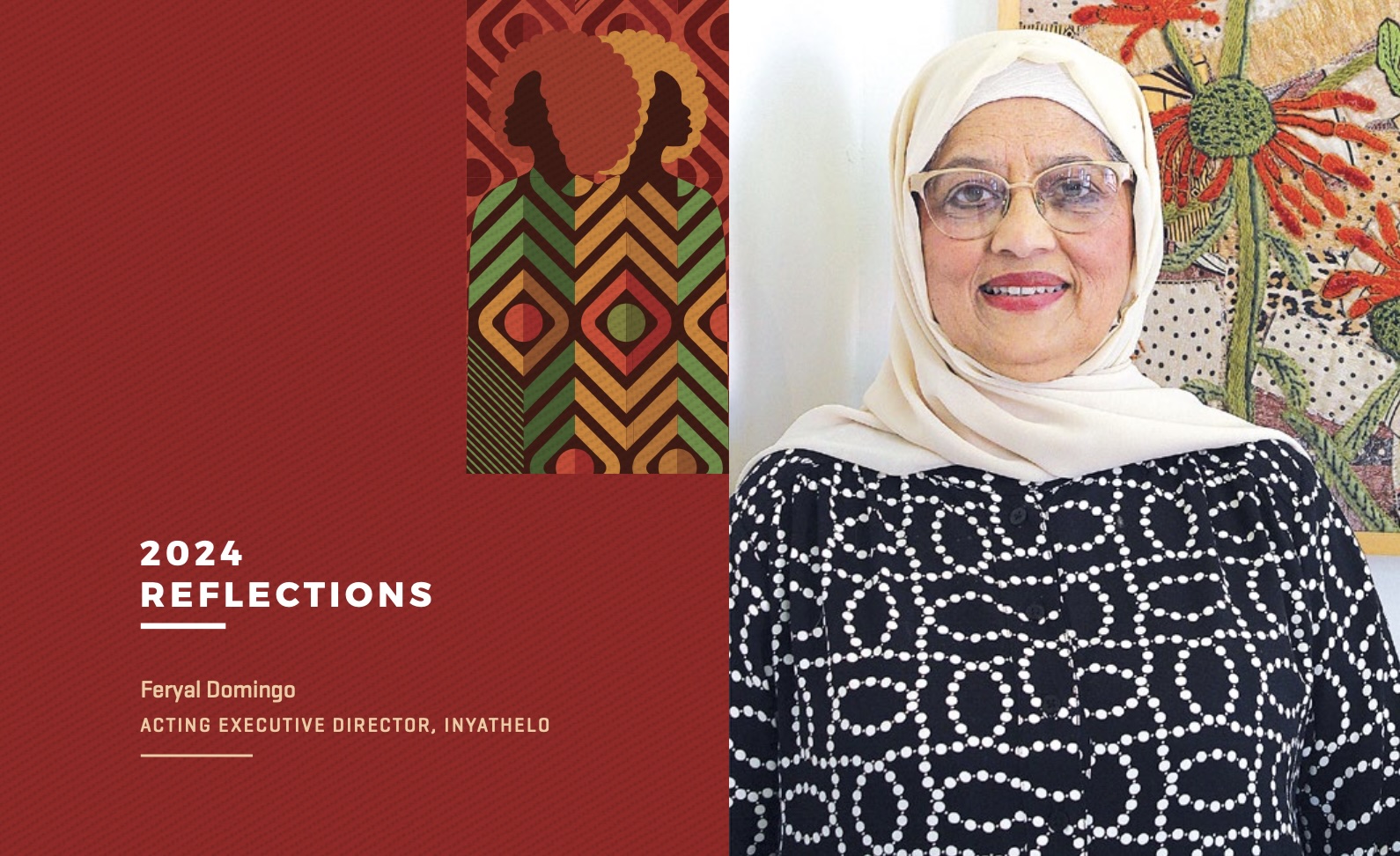
2024 Reflections from Feryal Domingo
Wow, what a year 2024 has been! Reflecting on 2024 brings to mind a world of paradoxes for the non-profit sector. Challenges have been met with remarkable resilience, yet new obstacles have emerged to test our very foundations.
This year truly highlighted the unique situation the sector finds itself in, caught between a global drive for greater transparency and the practical, and at times damaging, consequences of that push.
One of the biggest external headaches has been the fallout from the Financial Action Task Force (FATF) Recommendation 8. While the goal is good—fighting money laundering—its execution has often hit us with unintended, disproportionate consequences. Early on, the sector was broadly labelled as “vulnerable” to misuse, which led to a wave of stringent regulations. This has made it tough for many organisations to access and move money, adding massive administrative burdens, especially for smaller groups. We’ve even seen this overregulation infringe on basic rights like freedom of association.
The silver lining is that the FATF is listening. Recent revisions to Recommendation 8 now call for a “focused, proportionate and risk-based” approach, explicitly warning against rules that “unduly disrupt or discourage legitimate NPO activity.” This is a crucial shift, and Inyathelo, as a member of the NPO Working Group, remains absolutely committed to pushing for a balanced approach that protects our integrity while letting us get on with our vital work.
But let’s be real, facing these pressures takes a toll. We have to talk about the mental wellbeing of our people. The demanding nature of the work—unpredictable funding, limited resources, and the sheer emotional weight of complex social issues—is a recipe for stress and burnout. As a sector, we simply must acknowledge this and prioritise creating supportive and resilient work environments. The success of our mission is directly tied to the health and sustainability of the individuals driving it.
Addressing sustainability also means confronting the grim reality of a declining funding landscape. Relying solely on grants and traditional philanthropy just isn’t sustainable anymore. This is why incorporating social enterprise into our fundraising plan is so critical. It’s a strategic pivot from simply receiving funds to generating earned income that directly supports the mission. Now, I’m not suggesting every non-profit can become a commercial venture—some missions just don’t fit that model—but it’s an avenue that boards of organisations must seriously consider. The board has a fundamental duty to ensure long-term viability, and that means helping the organisation explore this path. Embracing earned income models gives us financial stability, which ultimately frees up our mental and human resources to focus on the essential, mission-driven work.
The Inyathelo team is a powerful testament to resilience. More than ever before, the past year has demanded we be adaptable, creative, and steadfast. My immense gratitude goes to every member for their passion and commitment. We’re a group of productive and creative individuals who genuinely care about Inyathelo’s vision. We’ve been agile, adjusting and adapting constantly, all while finding opportunities to grow our skills and knowledge. This dedication is what sustains our vital work, and it’s proof of the strength of a team that’s talented and deeply invested in its purpose.
Looking ahead, our 2025 strategy is firmly focused on strengthening the fundamental pillars that underpin a sustainable non-profit sector. Good governance and strong leadership are non-negotiable—they demand transparency, accountability, and ethical rigour. This commitment is reinforced by the importance of being visible—demonstrating our integrity not just through our mission, but in how we conduct our affairs.
Crucially, sustainable success hinges on building strong relationships. Advancement is essentially the systematic management of these external relationships. Trust and credibility are built with donors, partners, and the organisations we support through open communication, shared commitment, and transparent reporting—even on lessons learned when things don’t go perfectly.
As the non-profit sector stands at this critical juncture, Inyathelo’s 2025 strategy will navigate this complex environment by reinforcing these core principles. By championing good governance, fostering strong leadership, maintaining visibility, and nurturing powerful relationships, we can not only withstand the pressures but also thrive, continuing our mission of creating a more just and equitable society. The journey ahead requires continued collaboration and unwavering dedication, and I am confident that together, we are more than ready.
This article was published in our 2025 Annual Report. Click here to read the full report.